

THE POWER OF CONNECTION:
Building Business and Community in the West
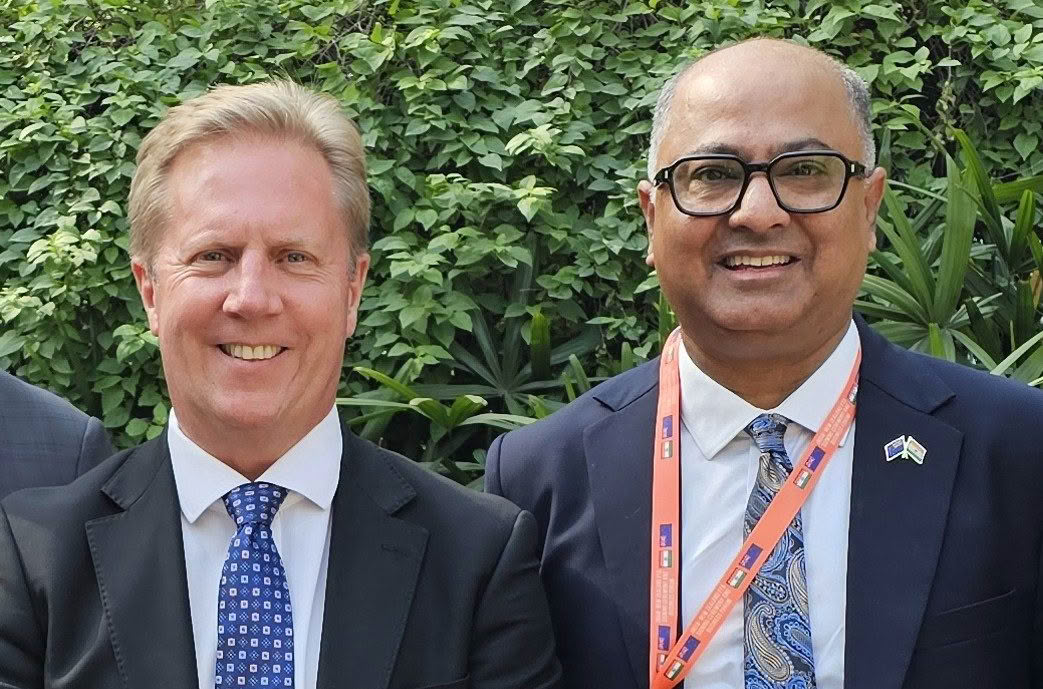
When Sunil Kaushal arrived in West Auckland more than three decades ago, he was a young migrant building a new life from the ground up. Today, his extensive business and community networks span West Auckland, New Zealand and India. Through it all, one principle has remained constant: connections are most valuable when you use them to help others.
For Sunil Kaushal, West Auckland is much more than just the place he lives in. It is where he established himself after arriving in New Zealand 32 years ago, where he married and raised his family, and where, as a young migrant, he gradually developed the relationships that would shape his career and community involvement.
Those early years taught him something important about belonging. Connections with West Auckland’s Dutch, Croatian and other migrant communities helped him realise that his experience of starting again in a new country was shared by many others. West Auckland became home because he felt part of something larger than himself.
That experience would ultimately influence the way Sunil approached business, community advocacy and leadership. His career in finance gave him a close view of the contribution migrant communities were making to New Zealand, while his community involvement showed him that there were still gaps in understanding and opportunities to build stronger connections between cultures.
Connection Should Create Opportunity
Sunil has built an extraordinary network over more than three decades, but he is clear that knowing people has little value unless those relationships are put to good use. For him, connection might mean picking up the phone to introduce someone who needs help, creating an opportunity for a local business, or simply connecting two people who could benefit from knowing each other.
“If you are connected, you should use it for the benefit of others,” he says. “You should use those connections for the betterment of the community and the whole ecosystem.”
That philosophy is particularly visible in West Auckland’s migrant business community. Sunil recalls earlier generations of migrants arriving with professional skills and established careers behind them, only to find their qualifications were not always recognised in New Zealand. For many, entrepreneurship became the pathway forward. Families bought dairies and established small businesses, often working extraordinary hours to create opportunities for their children.
Sunil believes that entrepreneurial spirit remains a defining feature of the West. Today it can be seen not only in established businesses, but in professionals developing side businesses, young people building apps and websites, and sole traders finding new ways to generate income and support their families.
Building Community Without Creating Silos
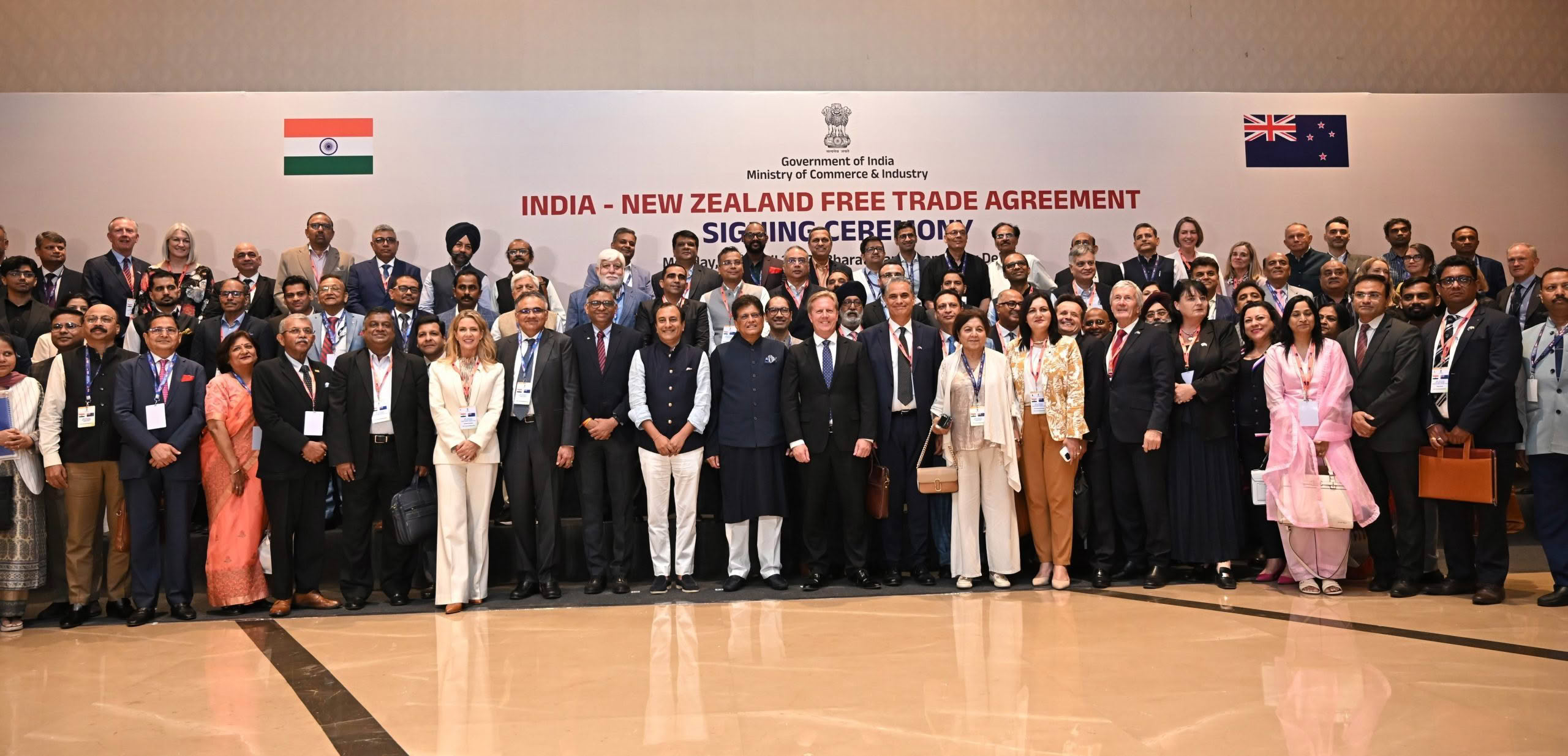
The same thinking helped shape the Waitakere Indian Association, established in 2000 to create a place for West Auckland’s growing Indian community to connect. From the beginning, Sunil says its philosophy was not about creating a community in isolation, but about being Kiwi Indian and actively participating in the wider West Auckland community.
That has meant building relationships with Maori, Pasifika, Croatian, Chinese, Korean, Middle Eastern and many other communities. Its annual Diwali celebration is perhaps the most visible expression of that approach. What began with fewer than 200 people has grown into a major West Auckland celebration attracting thousands and providing hundreds of performers, including young people, with an opportunity to participate and build confidence.
For Sunil, successful communities grow through sharing rather than separation. The same applies to business.
Leadership Starts With Listening
Years of advocacy have also shaped Sunil’s perspective on leadership. He readily acknowledges that leadership can sometimes be lonely and that making difficult decisions will not always please everyone. What matters, however, is creating space for people to be heard.
One of the lessons passed down by his father was that your own idea is not necessarily the best idea. Good leaders listen to different perspectives and look for ways to improve an idea rather than simply defending their original position.
That does not mean leadership by consensus. Decisions still need to be made. But Sunil believes people respond differently when they know their perspective has genuinely been considered.
It is also why he sees organisations such as Business West as so important. Networking, learning, exchanging ideas and building a profile are not activities reserved for large businesses or a select group of people. They are opportunities available to businesses throughout the West.
Sunil’s own journey demonstrates what can happen when people choose to participate. A conversation can become a relationship, a relationship can create an opportunity, and an opportunity can ultimately strengthen an entire community.
After 32 years in the West, his message remains remarkably simple. Do not collect connections. Use them.