

CONSISTENCY IN LEADERSHIP
Starts With a Clear Vision & Priorities
Culture doesn’t happen by accident. Whether you’re leading a school or a business, Nathan Villars believes lasting success comes from knowing what matters most and having the discipline to stay true to it.
Leadership often begins with solving problems that already exist. For Nathan Villars, it began with something far less common: a blank canvas. When he joined the newly established ACG Sunderland school in 2007, there were only 66 students and enormous potential. Rather than inheriting decades of history, he had the opportunity to help shape everything from the school’s culture and academic direction to the experience every student would have.
Nearly two decades later, the school has grown to almost 1,000 students, yet many of the original principles remain unchanged.
Starting With Strong Foundations
One of Nathan’s earliest leadership decisions was identifying the foundations that would define the school. Instead of trying to implement dozens of initiatives, he focused on a small number of priorities that would become part of the school’s identity. Strong academics, sport, music, and a house system were not simply programmes to offer students. They were deliberate choices that would shape the culture of the organisation for years to come.

That consistency has become one of the school’s greatest strengths. While facilities have expanded and student numbers have grown significantly, the core values established in those early years continue to guide decision-making. Nathan believes successful organisations are not constantly reinventing themselves. They remain clear about what they stand for while continuing to evolve around those principles.

Culture Is Built Through Everyday Actions
For Nathan, culture is never created by mission statements alone. It is built through everyday behaviours, expectations, and shared experiences. Students quickly learn what matters because they see those values reinforced consistently by teachers, coaches, and school leaders. The same principle applies in business.
Employees want more than a list of company values displayed on a wall. They want clarity about what success looks like, how decisions are made, and how people are expected to treat one another. Organisations that consistently reinforce those behaviours create stronger teams, higher levels of trust, and a culture that people genuinely want to be part of.
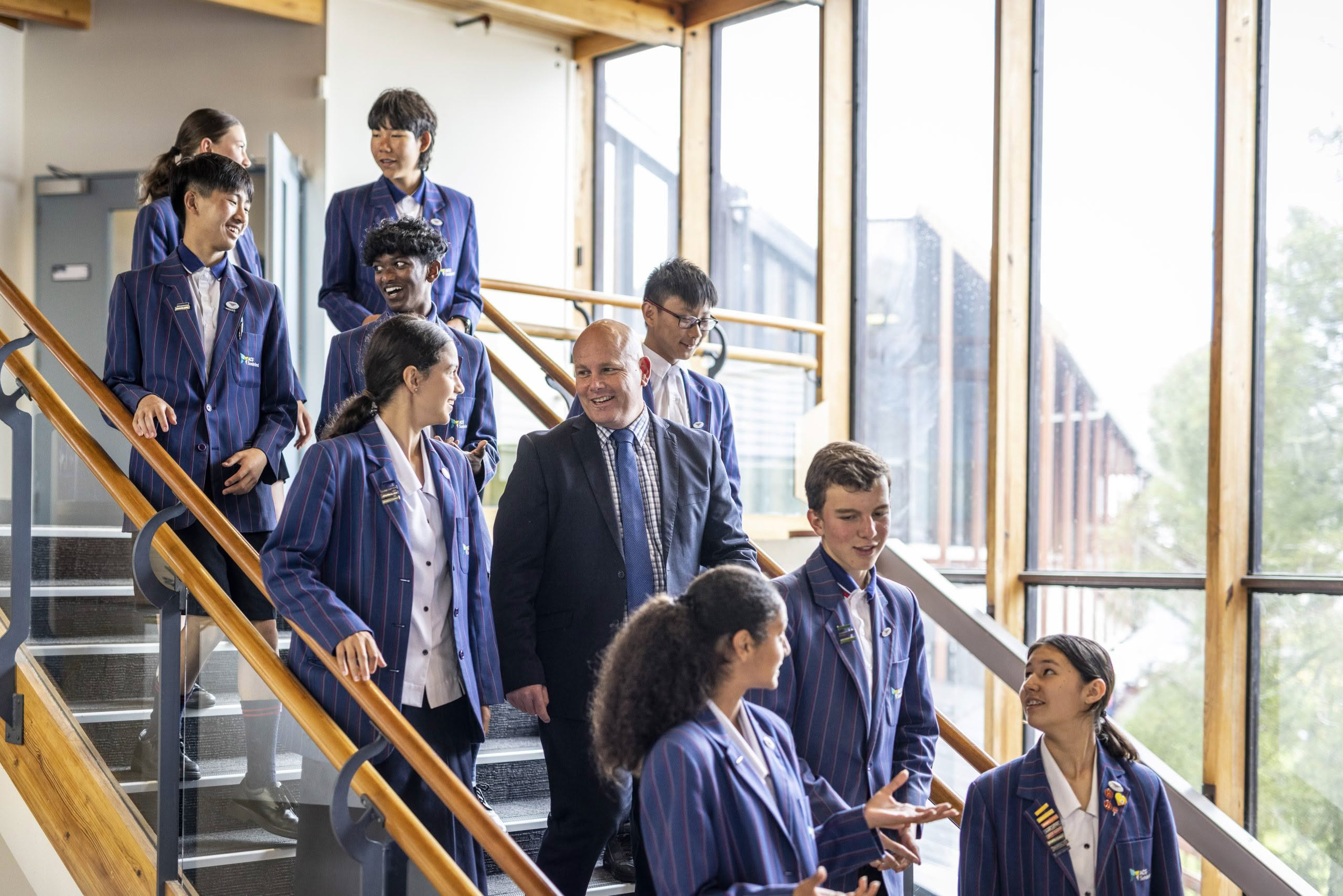
Preparing People for Success Beyond the Classroom
Although academic achievement remains important, Nathan believes education has a much broader purpose than preparing students for examinations. The Cambridge curriculum was chosen because of its academic rigour and international recognition, but equally important are the habits it helps students develop. Resilience, discipline, accountability, and the willingness to keep learning are qualities that remain valuable long after school has finished.
Those same qualities are increasingly sought after in business. Technical skills can be taught, but character, attitude, and a commitment to continuous improvement often determine long-term success. Nathan believes every student should be encouraged to achieve their own personal best rather than being measured solely against those around them. It is a philosophy that applies just as strongly to high-performing workplaces.