
PNEUMONIA
with Waitakere i-Medical Centre
This lung inflammatory condition primarily affects small air sacs known as alveoli in one or both lungs causing them to be filled with fluid that can be serious and even life threatening.
Cause: Bacteria – commonly due to pneumococcal bacteria called streptococcus pneumoniae. Other bacteria that can cause pneumonia are haemophilus influenza, mycoplasma pneumonaiae, legionella pneumophila and staphylococcus aureus.
Virus – viral pneumonia in adults are commonly due to influenza virus(flu) and rhinovirus (common cold); in children, it’s respiratory syncytial virus (RSV); SARS-CoV-2 and COVID 19 can lead to viral pneumonia.
Fungi – Pneumocystis jirovecii is fungus causing fungal pneumonia especially people with weak immune system.
Symptoms: Patients with pneumonia experiences the following symptoms: cough producing greenish, yellowish or bloody mucus; fever with shaking chills, shortness of breath, chest pains when breathing or coughing and extreme fatigue and low energy.
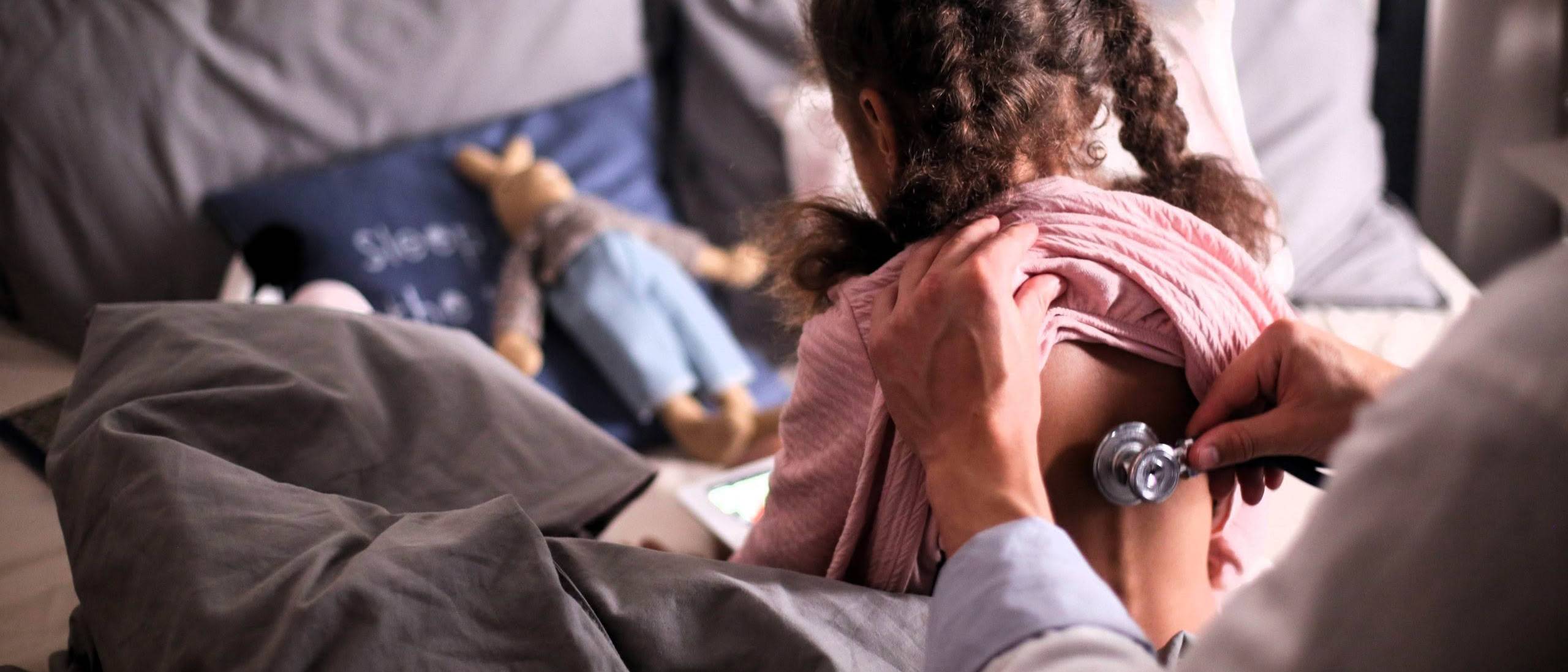
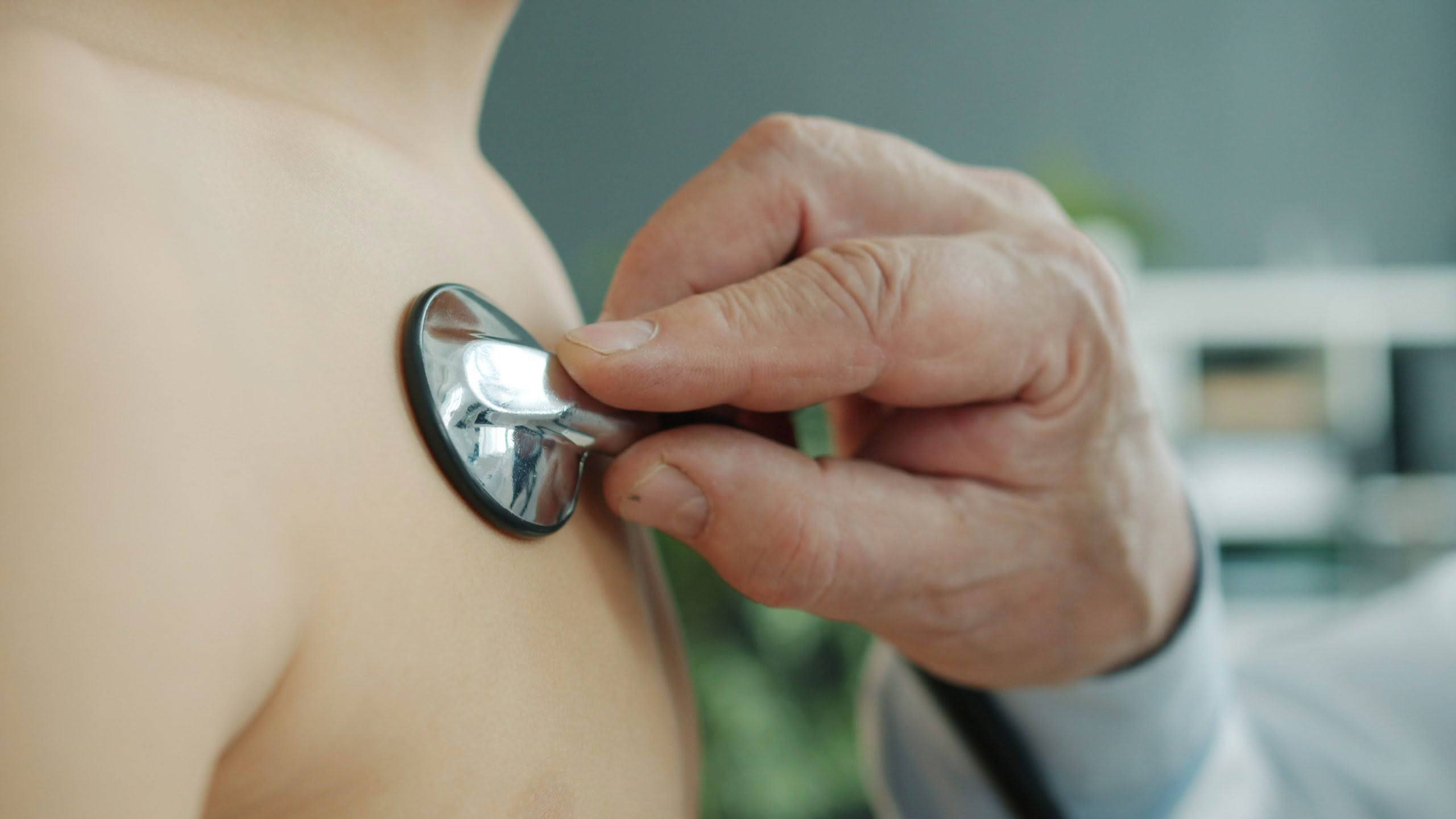
Diagnosis: Doctors listens to patient’s lungs hearing the following sounds: crackles, harsh-high pitched tubular sound, when larger airways are affected has low pitched snoring or rattling sound and when outer lining of lungs are affected, has dry grating sound; checking all signs and symptoms; and may require chest x-rays.
Risk Factors: Higher risk of pneumonia can be seen in the following factors:
Age – children 2 years old and younger since their immune system is still developing. Adults 65 years old and older since their immune system are weakened.
Environment – people get pneumonia from other people in their community and/or live and spends most time in crowded areas and those regularly breathes air pollution or toxic fumes.
Lifestyle habits – using drugs, alcohol and those smoking weakens one’s immune system.
Other medical conditions – like lung diseases i.e. asthma, COPD, cystic fibrosis, bronchiectasis; conditions that weakened immune system like undergoing chemotherapy, HIV/AIDS, pregnant women, malnutrition, diabetics, those with liver & kidney disease.
Treatment: Antibiotics are given to those with bacterial pneumonia and supportive care to other types of pneumonia.
Prevention: Pneumococcal vaccines are recommended to 2 years old & younger and 65 years old and older; yearly flu vaccine is advisable; do not smoke; wash hands often and keep immune system strong by having healthy eating habits and doing plenty of physical activities.
Learn more about Waitakere i-Medical Centre