

CARPAL TUNNEL SYNDROME
with Waitakere i-Medical Centre
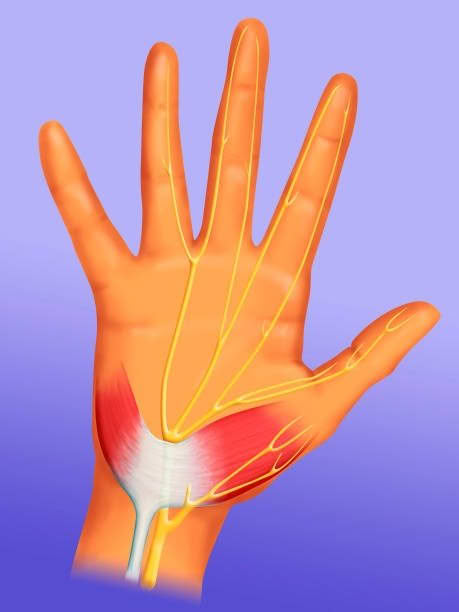
CTS a common, treatable condition of pressure in median nerve as it passes through the carpal tunnel – a narrow passageway in wrists formed by carpal bones with ligament running across the top forming the tunnel roof, making this tunnel crowded resulting to numbness, tingling and weakness in thumb, index finger and hand. Median nerve provides motor & sensory function to forearm, hand including thumb & fingers. Early diagnosis is key to avoid permanent nerve damage.
Symptoms
* Numbness/tingling – pins & needles in thumb, index finger and part of ring finger.
* Pain – burning pain in hand and wrists, may radiate to forearm.
* Weakness – weakened grip strength, leading to dropping objects.
* Night symptoms – symptoms wakes patients at night.
Causes/Risks Factors
– Repetitive Motion – prolonged use of tools and typing, that flex wrist often.
– Inflammatory Conditions – rheumatoid arthritis, gout or injuries that cause swelling.
– Health Factors – body fluid retention during pregnancy & menopause; chronic illnesses like diabetes, obesity, thyroid disorder, lymphedema and kidney failure are at risks.
– Demographics – more common in women than men due to hormones and configuration of carpal tunnel, between ages 30 to 60.
Diagnosis
- Physical Exam – testing for numbness and strength of hand and fingers.
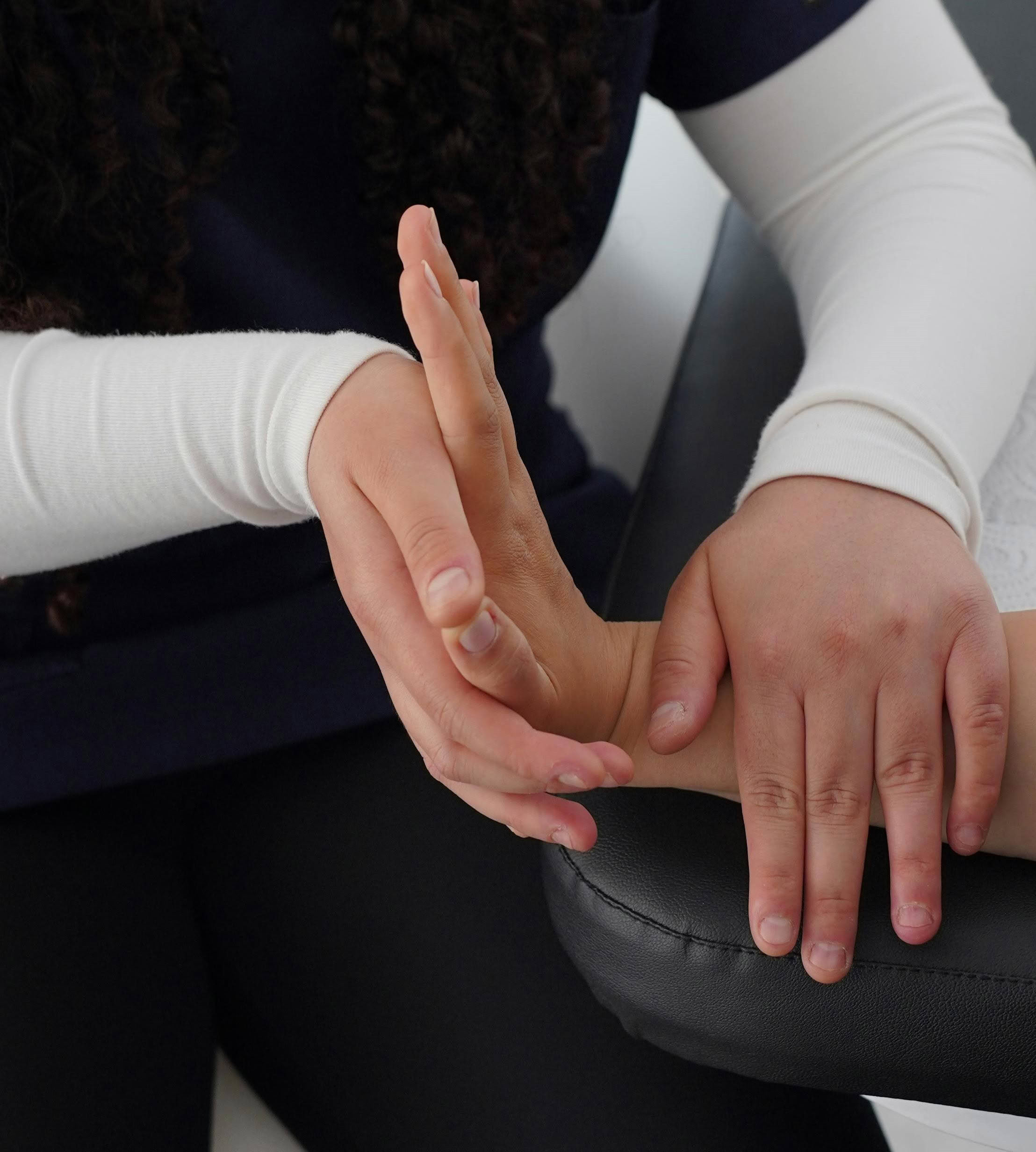
- Provocative Tests – tapping on centre of wrist (Tinel’s Test) or pressing back of hands together with wrists in flexion (Phalen’s Maneuver) or applying direct, firm pressure to median nerve at wrist (Durkan Test).
- Electromyography (EMG) and Nerve Conduction Studies – using electrodes & electrical activity evaluating health & function of nerve and muscles.
- Wrist X-ray, Ultrasound, MRI- verifies swelling and compression of median nerve.
Treatment Options
Hand Therapy – stretching and strengthening exercises helpful to alleviate symptoms.
Medications – Non steroidal anti-inflammatory medication helps reduce inflammation.
Activity Modifications – reducing/changing activities that cause wrists strain.
Bracing/Splinting – wearing brace/splint particularly at night keeping wrists in neutral position.
Injections – corticosteroid injection provides temporary relief.
Surgery – in severe cases, carpal tunnel release surgery is preferred to relieve pressure.
Prevention
- Involves reducing repetitive wrists strain, keeping wrists straight.
- Using soft touch when typing.
- Managing ergonomic workstation adjustments.
- Taking frequent breaks to stretch wrists.
- Keeping hands warm.
Learn more about Waitakere i-Medical Centre